


Navigating the UAE’s Leading Jurisdictions
A clear breakdown of the UAE’s legal and regulatory frameworks—helping you choose the right structure for your business setup, expansion, or investment strategy.
The UAE offers multiple jurisdictions, each with distinct legal systems, ownership rules, and operational advantages. From Mainland companies to Free Zones and Financial Centres, selecting the right structure is essential for long-term success and compliance.

What Are Jurisdictions in the UAE?
Jurisdictions in the UAE refer to the legal environments in which a company can be established. Each jurisdiction operates under its own regulatory framework, determining how businesses are formed, governed, and operated.
In the UAE, there are four main types of jurisdictions:
Financial Free Zones
Each serves different commercial and strategic purposes.
The UAE offers a diverse range of jurisdictions, each tailored to specific commercial, regulatory, and strategic needs. Choosing the right structure is essential for compliance, efficiency, and long-term growth.
Key Jurisdictions in the UAE
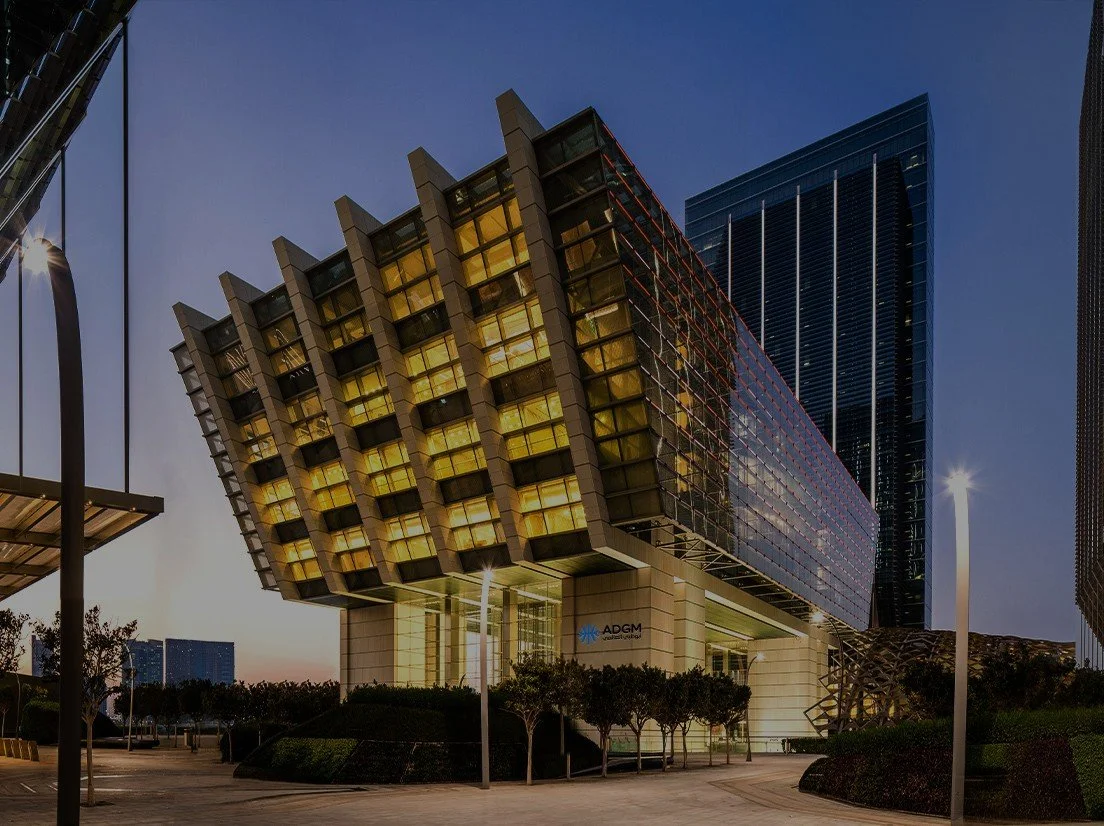
Abu Dhabi Global Market is an international financial centre located in Abu Dhabi, operating under an independent common law framework aligned with global standards.
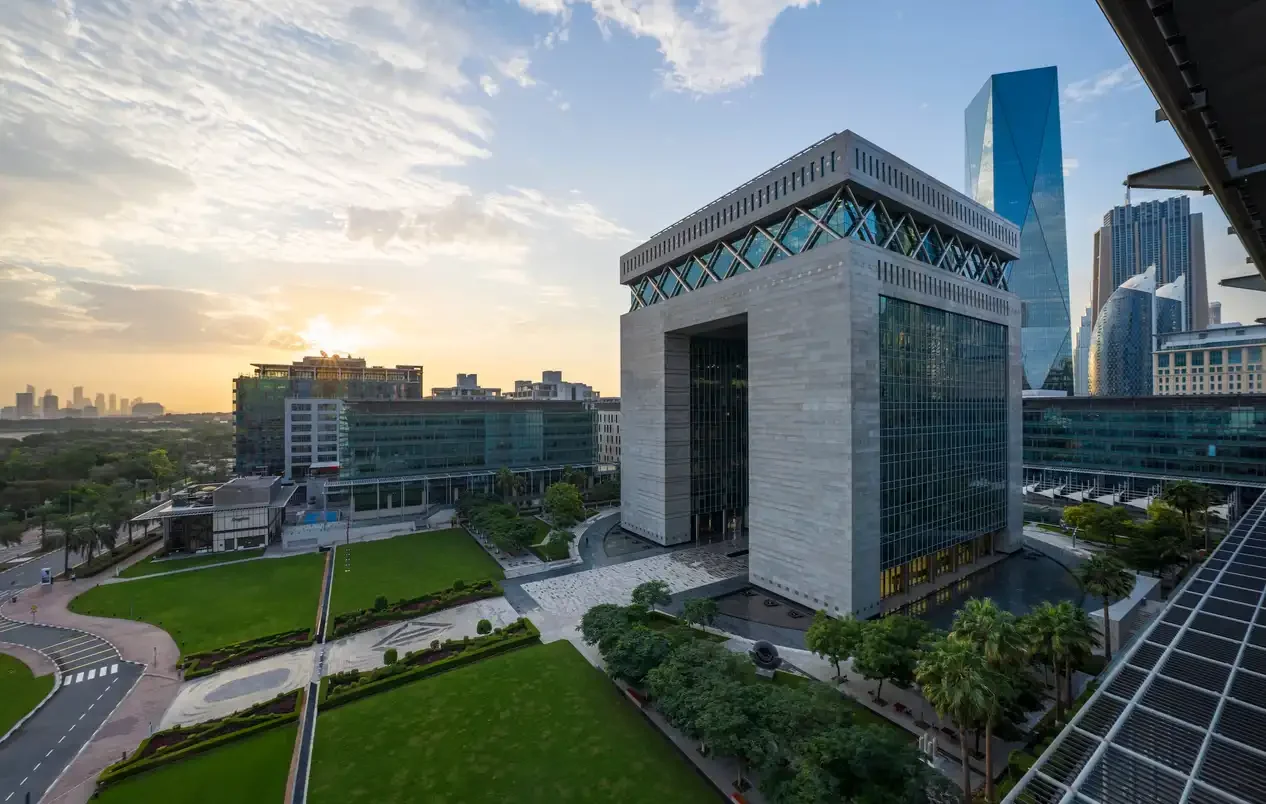
DIFC
Dubai International Financial Centre is the leading financial hub in Dubai, offering a globally recognized legal and regulatory framework for financial and professional services.

RAK ICC
Ras Al Khaimah International Corporate Centre is an offshore jurisdiction in the UAE designed for international business structuring, asset holding, and corporate planning.

UAE Mainland
UAE Mainland is an onshore jurisdiction that allows businesses to operate across the UAE, serve the local market, and access government and private sector opportunities.

DDA
Dubai Development Authority is a Dubai free zone offering company formation for professional services, media, education, healthcare, and creative businesses.
DMCC
Dubai Multi Commodities Centre is a leading UAE free zone for trading, commodities, technology, professional services, and international businesses.
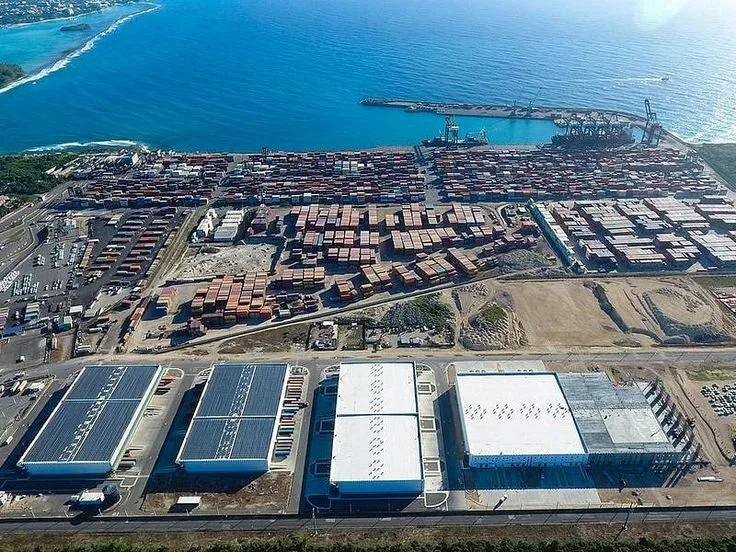
JAFZA
Jebel Ali Free Zone is a leading free zone in the UAE designed for international trade, logistics, manufacturing, and global business expansion
Learn more →
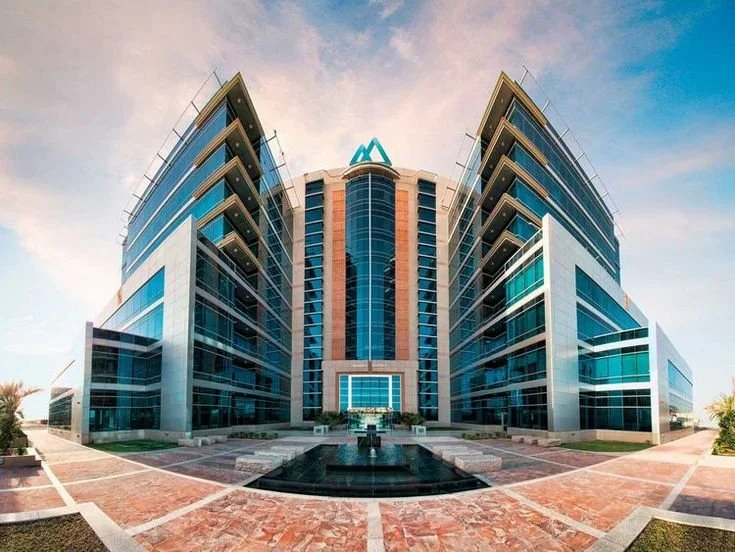
RAKEZ
Ras Al Khaimah Economic Zone provides a flexible UAE business environment for manufacturers, traders, service providers, and investors seeking scalable commercial growth.
Learn more →

DWTCA
Dubai World Trade Centre Authority is a UAE free zone supporting professional services, trading, innovation, and international business growth.
Learn more →

Meydan Free Zone
Meydan Free Zone offers entrepreneurs and growing businesses a flexible UAE business environment with streamlined licensing, digital processes, and strategic access to regional markets.
Learn more →

Dubai South
Dubai South is a strategic business hub offering company formation and licensing solutions for logistics, aviation, commercial, and industrial enterprises.
Learn more →

Corporate Structure We Support
MABA provides comprehensive advisory services for the establishment and management of various corporate and wealth structuring vehicles that are essential for entrepreneurs, investors, family offices, and corporate groups operating within the United Arab Emirates (UAE). Our expertise encompasses a wide array of structures tailored to meet the specific needs of our clients, including, but not limited to:

A vehicle designed for wealth preservation and estate planning, promoting efficient management of family assets while ensuring privacy and flexibility in governance.

Ideal for isolating financial risk, this structure serves as a flexible tool for various investment purposes, including real estate and asset management.

This entity offers a platform for philanthropic endeavors while facilitating wealth management and succession planning through a robust regulatory environment in the Dubai International Financial Centre.

Utilized for structured finance and investment activities, this special purpose vehicle is designed to hold assets or liabilities, allowing for effective risk management and financing solutions.

Service and Professional Companies
These entities cater to sectors that offer specialized services, enabling firms to navigate regulatory requirements while optimizing operational efficiencies.

Industrial and Manufacturing Companies
Designed to support businesses in the production sector, these companies leverage UAE’s strategic location and favorable business environment for optimal operational success.

An excellent choice for families aiming to protect their wealth across generations, it offers a flexible governance structure and favorable regulations for international wealth management.

This vehicle is structured to enhance asset protection and flexibility in investments, commonly used for holding assets or conducting business in a tax-efficient manner.

An appealing option for entities seeking to operate in international markets while benefiting from favorable tax and regulatory conditions.

DIFC Variable Capital Company (VCC)
A versatile investment structure that allows pooling of investor capital under a single entity, adapting to changing investment needs efficiently.

Focused on the import and export of goods, these companies are structured to facilitate smooth commercial transactions in regional and international markets.
Explore the UAE Jurisdictions
Mainland UAE
The Mainland allows companies to operate freely across the UAE and internationally under federal and local regulations.
KEY HIGHLIGHTS
Trade anywhere in the UAE
Access to government contracts
100% foreign ownership (most activities)
Flexible office location requirements
BEST FOR
Trading, contracting, retail, and local service businesses.
Free Zones
Free Zones are business hubs offering tax advantages, simplified setup, and 100% foreign ownership.
KEY HIGHLIGHTS
Full foreign ownership
Tax-efficient structure
Industry-specific zones
Simplified incorporation process
BEST FOR
Startups, international businesses, holding companies, and SMEs.
Financial Free Zones
Highly regulated financial hubs operating under independent legal systems based on common law.
KEY HIGHLIGHTS
Independent legal framework
International regulatory standards
Strong investor protection
Specialized financial ecosystem
BEST FOR
Banks, fintech firms, asset managers, and family offices.
Offshore Jurisdictions
Offshore structures designed for international holding, asset protection, and corporate structuring.
KEY HIGHLIGHTS
No UAE operational trading
No physical office required
Privacy and asset protection
International structuring flexibility
BEST FOR
Holding companies and global asset management structures.
Which Jurisdiction is right for you?
Choose Mainland
if your objective is to trade directly within the UAE market, engage with government entities, and operate with full commercial flexibility across the country.
Choose ADGM / DIFC
if your objective is to trade directly within the UAE market, engage with government entities, and operate with full commercial flexibility across the country.
Choose Free Zones
if your objective is to trade directly within the UAE market, engage with government entities, and operate with full commercial flexibility across the country.
Choose Offshore
if your objective is to trade directly within the UAE market, engage with government entities, and operate with full commercial flexibility across the country.
Frequently Asked Questions
-
The choice of jurisdiction depends on how your business is structured, where your clients are located, and your regulatory needs. DIFC is typically suited for financial services and wealth structuring, ADGM for common law flexibility and holding structures, while UAE Free Zones support operational scalability and sector-specific licensing. MABA CSP conducts a strategic assessment to align jurisdiction selection with your commercial and legal objectives.
-
Yes, in many cases businesses can be restructured or migrated into more efficient jurisdictions such as DIFC or ADGM through redomiciliation, asset transfer, or group restructuring. The process depends on the entity type and regulatory approvals. We ensure the transition is structured to maintain compliance while minimizing operational disruption.
-
While both jurisdictions offer strong holding structures, DIFC is often preferred for financial ecosystem integration and investment platforms, whereas ADGM provides enhanced common law flexibility and simplified governance frameworks. The optimal choice depends on asset type, investor base, and cross-border strategy.
-
Yes, businesses can operate multi-jurisdictional structures through holding companies, SPVs, and subsidiary layering. This allows operational flexibility in Free Zones while maintaining strategic oversight in DIFC or ADGM. MABA CSP designs integrated structures that ensure compliance, efficiency, and scalability across jurisdictions.
-
Startups often prioritise cost efficiency, flexibility, scalability, and access to investors. Depending on the business model, suitable options may include free zones offering streamlined setup processes, innovation-focused environments, or financial centres that provide access to investors and regulated ecosystems.
-
Yes, but the ideal approach depends on the client's objectives. Some structures separate operational activities from asset ownership by using different entities or jurisdictions. For example, an operating company may conduct business activities while a separate holding structure manages investments or long-term assets.
-
International investors often choose ADGM because it combines the advantages of a UAE jurisdiction with an internationally recognised legal and regulatory framework. Unlike traditional offshore structures, ADGM provides greater transparency, stronger governance standards, access to professional services, and credibility with global investors, banks, and institutions.
-
UAE mainland jurisdictions generally provide access to the wider domestic market, while free zones offer specialised business environments, ownership flexibility, and sector-focused benefits. Financial centres such as ADGM and DIFC operate under internationally recognised regulatory frameworks designed for financial services, wealth management, investment structures, and sophisticated corporate entities.
-
The ideal jurisdiction depends on the purpose of the holding structure, the assets involved, and the owner's long-term objectives. Jurisdictions such as ADGM and DIFC are often considered for sophisticated holding structures due to their internationally recognised legal frameworks, while other jurisdictions may suit specific asset ownership requirements.
-
ADGM and DIFC are internationally recognised financial centres offering sophisticated legal and regulatory frameworks, making them attractive for financial institutions, investment firms, family offices, holding structures, and high-net-worth individuals. Their common law-based frameworks and strong governance standards provide familiarity for international investors.
-
In some cases, businesses can restructure, migrate, or establish additional entities in another jurisdiction depending on regulatory requirements. However, choosing the right jurisdiction at the beginning can reduce unnecessary costs, administrative complexity, and restructuring challenges later.
-
Cross-border structures require careful consideration of legal systems, governance requirements, reporting obligations, and ownership objectives. Jurisdictions with internationally recognised frameworks, such as ADGM and DIFC, are often considered for investment holding structures, SPVs, foundations, and international asset management arrangements.
-
Investors should evaluate regulatory environment, permitted activities, ownership structure, legal framework, compliance requirements, banking access, reputation, scalability, and alignment with future objectives. The lowest-cost option is not always the most suitable; the best jurisdiction is the one that supports the intended business strategy.
-
International companies should consider their operating model, customer base, licensing needs, regional expansion strategy, and compliance requirements. Some businesses benefit from a mainland presence, while others prefer free zones or financial centres that provide specialised structures for regional headquarters, consulting activities, investments, or holding purposes.

Need Help Choosing the Right Jurisdiction?
Selecting the appropriate UAE jurisdiction is a critical business decision that directly impacts licensing requirements, tax efficiency, regulatory compliance, and overall operational flexibility. Our advisory team provides tailored guidance to ensure your business is structured in the most efficient and compliant manner, fully aligned with UAE laws and regulatory frameworks.